
Advantages and Disadvantages of Global Sourcing
These days, with the world economy so tightly linked, companies keep looking for smarter ways to run their operations and stay ahead of rivals. Global sourcing, basically buying goods and services from suppliers in other countries, has turned into a go-to move for lots of firms. It lets them reach new markets, grab hard-to-find resources, and often cut down on production expenses. But just like any strategy, it brings its share of headaches that you can’t ignore. Figuring out the pros and cons of global sourcing really matters for leaders trying to create tough, reliable supply chains. Whether you’re a new startup or a big established player, putting together a solid plan for global buying can spark real growth as long as you handle the downsides properly. This piece breaks down the main upsides and pitfalls, so you can better deal with the tricks of managing supplies across borders and pick what’s best for your company.
Advantages of Global Sourcing
Once businesses start checking out suppliers outside their own country, they usually uncover all sorts of possibilities that can totally change how they operate. The big appeal of going international with sourcing comes from getting connected to a wide range of suppliers, which sparks new ideas and gives more room to adapt. Working with partners around the world means companies can take advantage of better prices everywhere, since suppliers in various places fight to give the lowest bids. That pushes costs lower and also raises quality standards from those global suppliers, thanks to their expert know-how delivering better items. Plus, tapping into talented workers globally lets firms use skills that are rare or pricey at home, making everything run smoother overall.
In real life, this method helps companies grow bigger without pouring huge money into their own setups. Taking a manufacturer pulling parts from Asia and putting them together in Europe creates a smooth flow that reacts fast to what customers want. In the end, going all-in on global sourcing can make a business stand out as top in its field, but only if it fits with bigger plans and careful risk checks. Looking at it this way makes sure the gains last longer than quick wins, helping build steady progress and flexibility in a constantly changing world market.

Disadvantages of Global Sourcing
Sure, teaming up with overseas partners sounds great, but you’ve got to face the tough parts that go along with it. Risks in global sourcing show up in all kinds of ways, mostly from the complications of trading across borders that mess with shipping and rules. For one thing, dealing with import and export laws takes real know-how to skip expensive hold-ups or fines that eat into expected savings. On top of that, shaky politics or economies in those supplier nations can throw things off suddenly, like from new rules or unrest. Issues with talking across languages and time differences make it worse, causing mix-ups and mistakes on what the products should be like. And those extended shipping times are a frequent pain, since farther distances mean longer waits from order to arrival, which can throw off stock control.
Problems in the supply chain like this call for strong upfront planning to keep things running without big interruptions. Shifts in currency values throw in more unpredictability, changing final prices in ways you can’t guess. Even with all that, plenty of companies pull it off by doing deep checks on suppliers and having backup plans ready. Spotting these negatives soon lets you set up smart fixes ahead of time, shifting possible weak spots into controllable parts of your overall plan for buying worldwide.
Cheaper Cost
Probably the strongest pull for companies to go global with sourcing is the chance for big cuts in expenses through this approach. Pulling materials or workers from areas where running a business costs less lets firms slash their total spending a lot. Say, making things in places loaded with resources frequently leads to sharp prices on the world stage, so companies can sell stuff cheaper to buyers. These savings come from big-scale operations, where high-volume suppliers hand over their lower costs to customers. Still, you can’t just look at the starting price adding in shipping fees and taxes is crucial to get the real picture.
When you stack up regular outsourcing against global sourcing, the global version usually opens more ways to trim costs throughout the whole process. Companies that pick partners wisely can drop production expenses by 20-30 percent, leaving more money for new ideas or ads. But getting those cuts means putting in serious work on research and talks to keep quality solid. Bottom line, if done right, this perk can completely shift the game, helping businesses do well in tough markets and keep good profits.
A Skilled Workforce
Getting hold of talented workers via global sourcing unlocks access to skill sets that improve how products get made and how the business runs day-to-day. Different parts of the world excel in certain fields, offering skilled people everywhere who bring new angles and top-notch methods. That variety ramps up output and pushes better quality from global suppliers, since seasoned staff refine how things are built. Like, software firms could pull in engineers from growing economies, ending up with fresh fixes that really shine against competitors.
Bringing in this kind of talent creates a team setup where sharing knowledge happens easily, building up the company’s main strengths. Though, forming these ties needs awareness of cultural differences and straightforward talking to get the most out of it. Over time, this way can create lasting edges in competition, since companies adjust faster to what’s happening in their industry. Focusing on areas famous for particular talents means businesses keep products top-quality while watching expenses closely.
Increased Production Capacity
With global sourcing, companies can grow their output fast by connecting to bigger making abilities all over the planet. Having suppliers spread out lets firms split production among several spots, cutting reliance on just one and building more toughness. This arrangement helps speed up new ideas from overseas suppliers, as different contributions lead to smarter fixes and faster updates to products. Handling supplies on an international level means lining up these pieces for easy growth when demand spikes or markets widen.
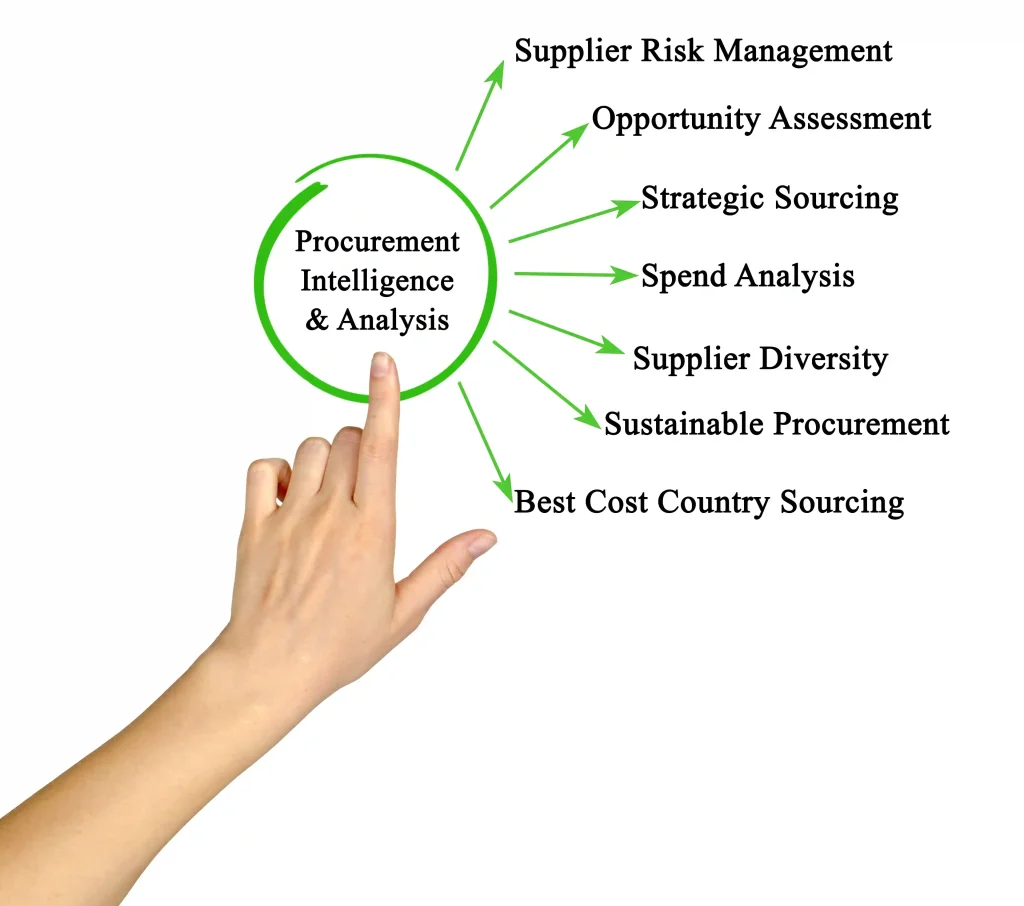
Picture a store pulling holiday goods from various continents to keep shelves stocked without tying up too much of their own assets. It ends up with better speed and quick answers to what shoppers need. Of course, pulling this off takes advanced setup for logistics to match schedules and check quality. All in all, the extra capacity opens doors to bigger slices of the market and more sales, turning it into a must-do for companies aiming to expand.
Infrastructure
Making use of ready-built setups in major global production areas stands out as a major plus for sourcing offshore. Nations with strong systems provide factories, roads, and power that’s all set to go, cutting down the time businesses need to get started. This lets companies zero in on what they do best instead of starting everything new, getting products out quicker. As part of planning buys worldwide, choosing spots with solid infrastructure guarantees steady work and prices you can count on. Take those big industrial areas in Asia they’ve got modern machines for cranking out large amounts smoothly. That said, checking how good the infrastructure really is matters to dodge unseen problems that hurt production. When it all lines up, this perk lifts the whole supply chain, aiding lasting strength and edge over others.
Technology
Bringing in the latest tech from suppliers around the world shakes up how companies work and what they offer customers. The upsides of sourcing internationally cover getting hold of new tools and programs not found nearby, which boosts how efficiently things get done. Suppliers who put money into research frequently pass along their breakthroughs, resulting in higher quality from global suppliers and better final items.
That tech lead helps push quicker new developments via international partners, staying in front of what’s popular. Actually using it means some training and fitting it in, but the jumps in output make it worth it. Firms that go for partners strong in tech gain more automatic processes and smart data use, fine-tuning their supply management across borders. In the end, it builds a habit of always getting better, setting companies up to win as markets keep shifting.
Pros of Global Sourcing
Looking at it practically, the good sides of global sourcing run deep into how well a business does and its overall plans. Perks in global buying like more wiggle room and reaching new markets make it tempting for leaders who think ahead. Spreading out suppliers helps companies handle risks from local problems while grabbing those lower prices worldwide. It strengthens earnings and often creates a good effect from global sourcing on the business, even drawing more trust from investors. Stories from real companies show how they’ve switched gears in tough times thanks to worldwide connections, keeping things going and growing. On top of that, mixing in ideas from everywhere ignites fresh thinking, leading to items that click with more people. To really grab these upsides, teams need to put effort into solid partnerships and constant checks. Wrapping up, smartly taking this path can reshape where a company heads, putting quick moves and new ideas front and center.
Cons of Global Sourcing
But then there’s the other side the negatives of global sourcing need close watching to stop big disruptions in work. Risks like stops in supply from political fights can ripple out, hitting schedules and money hard. Trading over borders brings issues with different rules and standards that make following laws trickier. Companies run into supply troubles often, like stock not matching up because demand changes unexpectedly. Swings in money exchange bring extra money uncertainty, which might cancel out savings on costs. To fight back, firms use spreading out and better tools for predicting. Actual events, such as stops in supplies during worldwide crises, show why backup plans are essential. Tackling these downsides directly lets companies flip weak points into strong ones, keeping things even in dealings across the world.
Conclusion
Advantages and Disadvantages Getting the right mix between the ups and downs of global sourcing is what unlocks its real power. Sure, things like saving money and fresh ideas drive expansion, but dangers from unrest or hold-ups call for smart protections. Putting weight on how to pick suppliers and strong handling of supplies internationally cuts down problems, creating a solid positive effect from global sourcing on businesses. Ultimately, a carefully planned approach to buying worldwide, even including offshore options, can lead to wins when it fits your exact situation. Companies that think through these points well set themselves up for long-term success in our connected world economy.
Frequently Asked Questions About Global Sourcing
What is global sourcing in simple terms?
Global sourcing means buying goods or services from suppliers in other countries to make use of lower costs and varied resources. It helps companies grow and run more smoothly.
What are the main advantages of global sourcing for businesses?
The top benefits cover savings on costs through global sourcing, reaching talented workers worldwide, and quicker new ideas from international suppliers, all raising competition and expansion.
What are the biggest risks of global sourcing?
The main dangers include political and economic troubles, issues with communication, and extended delivery times, which might mess up work and raise costs if not handled.
How does global sourcing reduce costs?
It cuts expenses through sharp pricing worldwide and big-scale benefits from varied suppliers, dropping costs on making and materials quite a bit.
How can companies manage global sourcing risks effectively?
By using strict ways to choose suppliers, spreading out sources, and keeping close watch, businesses can tackle risks in global sourcing and keep their international supply chains steady.