
My buddy Marcus bought a $40 backpack off Amazon last spring for a weekend hiking trip in the Smokies. Looked great in the photos. Nice color. Good reviews. Seemed like a solid deal.
He made it about four miles before his shoulders were on fire. By mile six he was carrying the thing in his arms because wearing it hurt worse than just holding it. The pack had zero hip belt. No frame. No load transfer. Just two padded straps attached to what was basically a school bag with a mountain printed on it.
Marcus isn’t dumb. He just didn’t know that backpack types are actually different from each other in ways that matter. He thought a backpack was a backpack. You put stuff in it, you put it on your back, you walk. How complicated could it be?
Turns out, pretty complicated.
I’ve spent the last several years helping brands source bags and packs from factories in China. I’ve seen the inside of more backpack factories than I can count. I’ve argued with engineers about strap attachment angles and foam densities and zipper pull placement. I know way too much about backpacks. And the single biggest thing I’ve learned is that the differences between backpack types aren’t marketing fluff. They’re engineering decisions that determine whether the pack works for what you’re doing or makes you miserable.
So here’s my breakdown. Twenty-five backpack types, organized by what they’re actually built for. Some of these you know. Some you’ve probably never heard of. All of them exist because somebody had a specific problem and the existing packs didn’t solve it.
The everyday and school ones that everybody recognizes
Let’s start with the familiar stuff.
Classic daypack
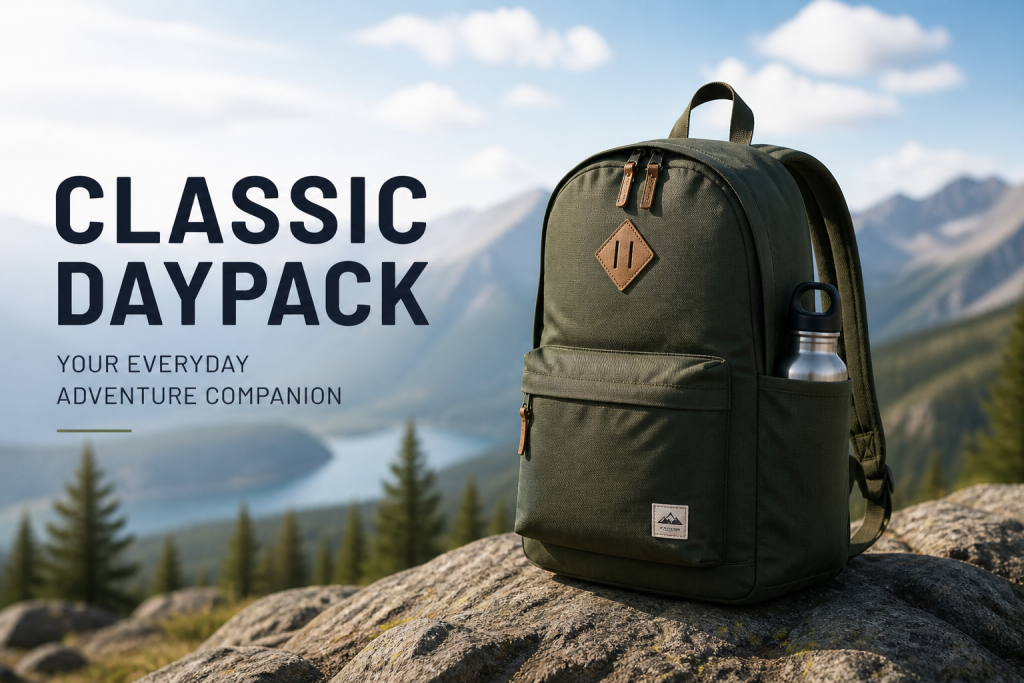
This is the default. The one you picture when someone says “backpack.” One big compartment, front pocket, two straps, top zip. Somewhere between 15 and 30 liters. Made from polyester or basic nylon with some foam in the straps.
Does everything okay. Does nothing great. And that’s fine for 90% of daily use. Commuting to work, running errands, carrying a lunch and a jacket. The classic daypack handles all of that without complaint.
Where it falls apart is when people ask it to do things it was never meant to do. I cannot tell you how many times I’ve seen someone load 30 pounds into a basic daypack with no hip belt and then complain about back pain. That’s not the pack’s fault. That’s like complaining your sedan can’t tow a boat.
School backpack
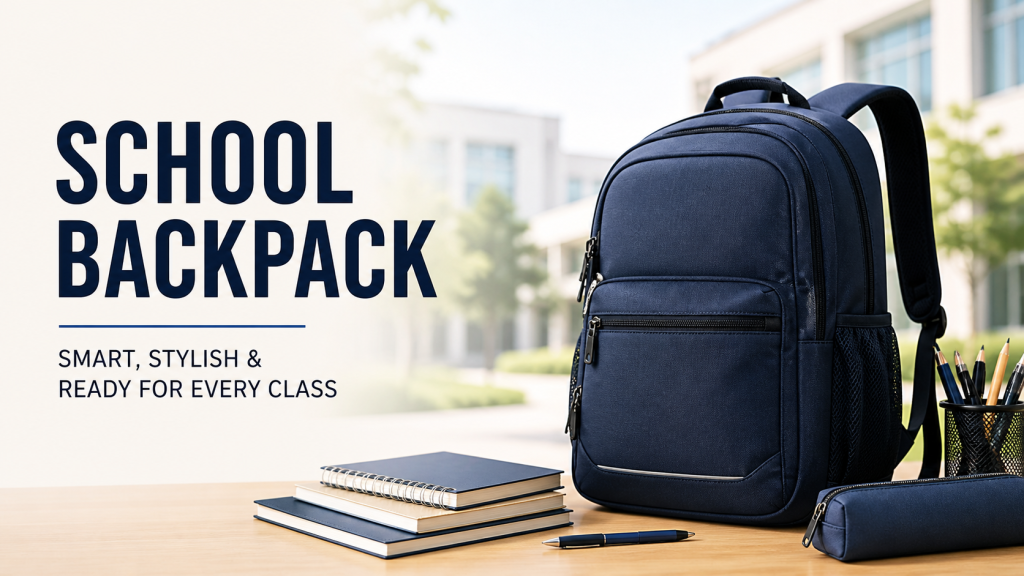
Similar to a daypack but the guts are different. Wider main compartment so textbooks lay flat instead of curling. Laptop sleeve. Bunch of organizer pockets for all the random stuff students haul around. Pens, chargers, calculators, that one crumpled assignment from three weeks ago they forgot to turn in.
Here’s what most people don’t think about with school packs: these things take an unbelievable beating. Thrown on cafeteria floors. Crammed into lockers. Dragged across parking lots. Sat on. Stepped on. Used as a pillow. Used as a weapon in the occasional hallway backpack swing. (Don’t pretend you didn’t do this.)
If you’re sourcing school backpacks to sell, the zipper is where cheap packs die first. A kid opens and closes that main zipper maybe 15 times a day. That’s over 2,700 cycles in a school year. Cheap zippers start failing around 1,000 cycles. Do the math.
Rolling backpack
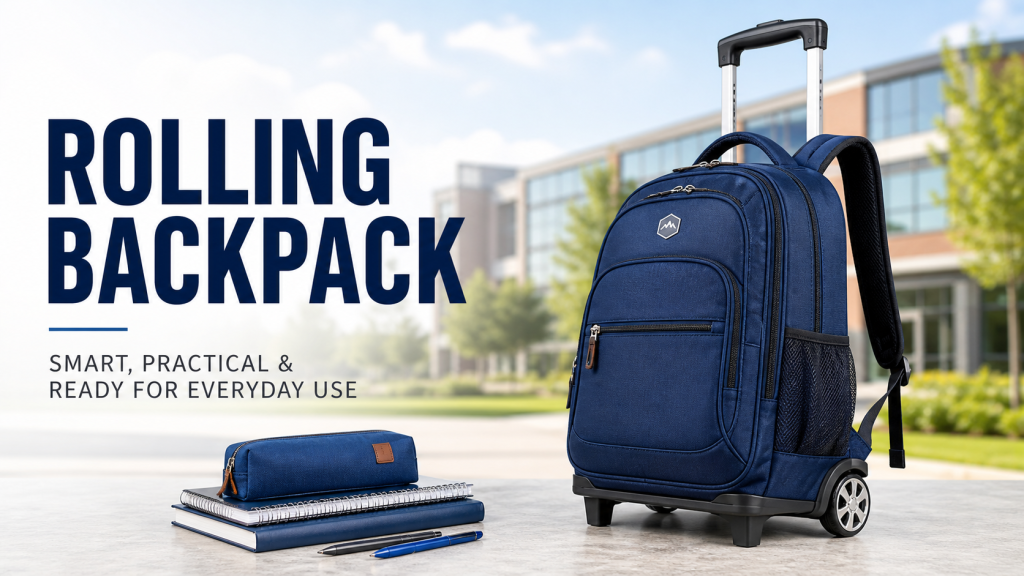
Backpack with wheels and a pull handle. Sounds genius until you encounter stairs. Or gravel. Or cobblestones. Or grass. Or basically any surface that isn’t smooth flat ground.
For the right situation though, rolling packs are legitimately great. Heavy textbooks. Airport terminals. Office buildings. Anywhere the floor is smooth and the load is heavy. The wheel system adds 2 to 4 pounds of empty weight, which is the tradeoff you’re making.
I see a lot of nurses and medical students using these. Makes sense. Medical textbooks weigh approximately one metric ton each.
Laptop backpack
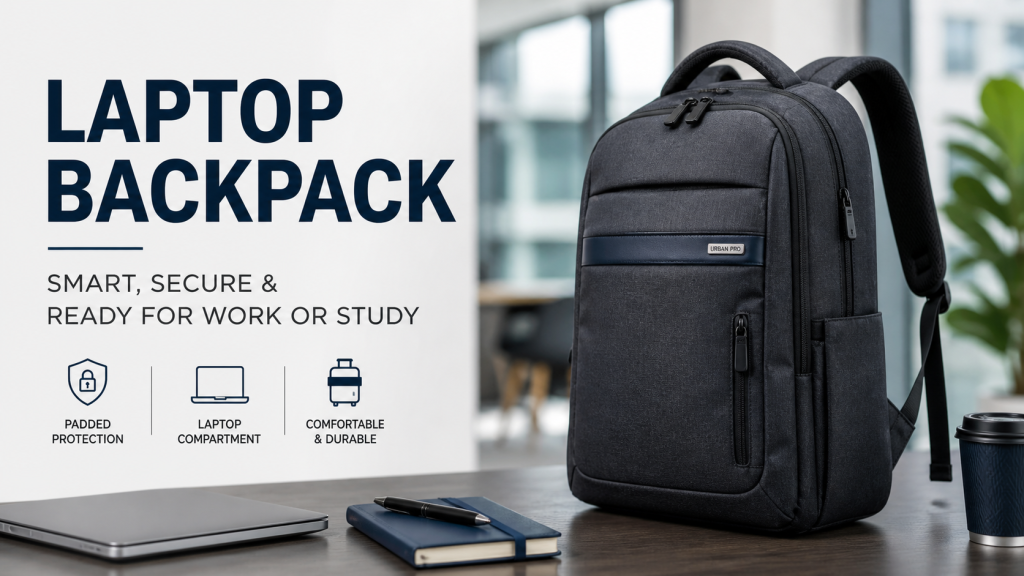
The defining feature here is a padded, suspended laptop compartment. “Suspended” means the laptop sleeve doesn’t touch the bottom of the bag. So when you set your pack down, your $1,500 computer doesn’t slam into the ground. This matters more than people realize until the first time they crack a screen.
Good laptop packs also have quick-access pockets positioned so you can grab your phone or badge without opening the main compartment. Cable routing for chargers. Enough organization to keep your tech accessories from becoming a tangled nest at the bottom of the bag.
One thing I always tell people: check the laptop compartment size before buying. A sleeve built for 13 inches won’t fit your 16-inch MacBook Pro. I’ve seen this exact mismatch show up in return data over and over. Seems obvious. Keeps happening.
Drawstring bag
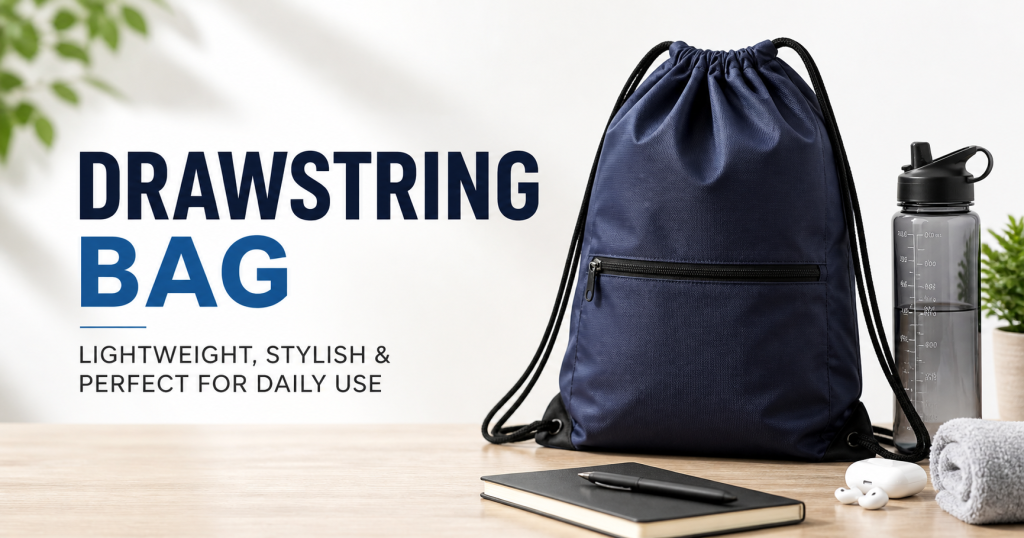
Is this even a backpack? I’m including it because it goes on your back and people call it a backpack, so fine. It’s a fabric sack with two cords. That’s it. No padding. No frame. No structure. No protection for anything inside.
Used for gym clothes, promotional giveaways, kids’ sports, and situations where you need something that weighs nothing and costs nothing. I’ve gotten drawstring bags as swag at conferences that I’ve used exactly once and then lost in a closet somewhere.
Do not put your laptop in a drawstring bag. Do not put anything breakable in a drawstring bag. Do not put anything valuable in a drawstring bag. I say this because I have personally witnessed all three.
Sling pack
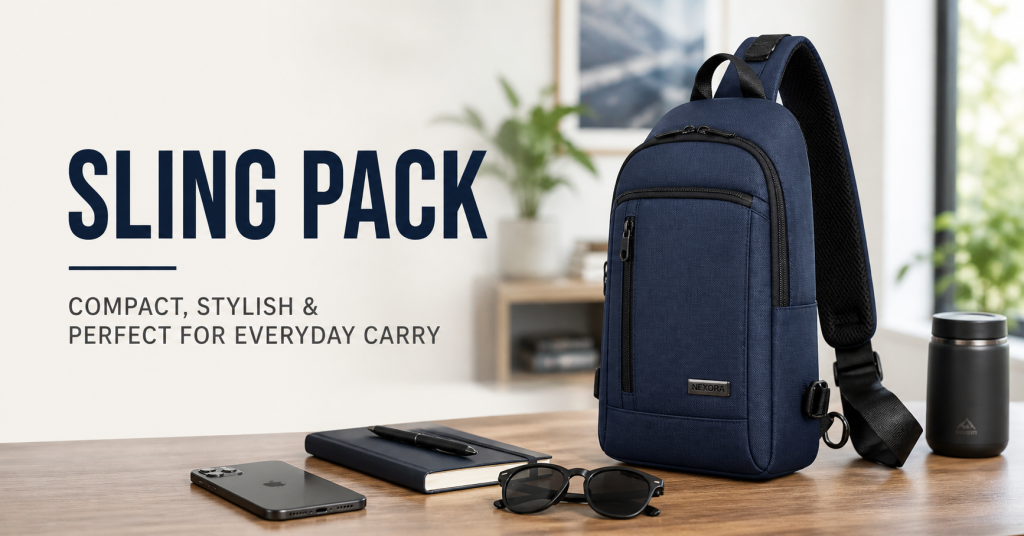
One strap. Goes across your body diagonally. Small, usually 5 to 15 liters. The whole point is you can swing it around to your front and access your stuff without taking it off.
I actually love sling packs for travel days. Phone, passport, wallet, earbuds, a snack. Everything you need quick access to, right there on your hip. Pair it with a bigger bag in the overhead bin and you’re set.
Just don’t overload them. One strap means one shoulder carrying all the weight. Past about 10 pounds it gets uncomfortable fast. Past 15 pounds your chiropractor starts sending you thank-you cards.
Hiking and outdoor backpack types where engineering actually matters
Okay this is where things get real. Outdoor packs aren’t fashion accessories with trail-themed marketing. They’re load-carrying systems engineered to move weight efficiently over rough terrain for hours or days at a time. The differences between subtypes here are not subtle.
Hiking daypack
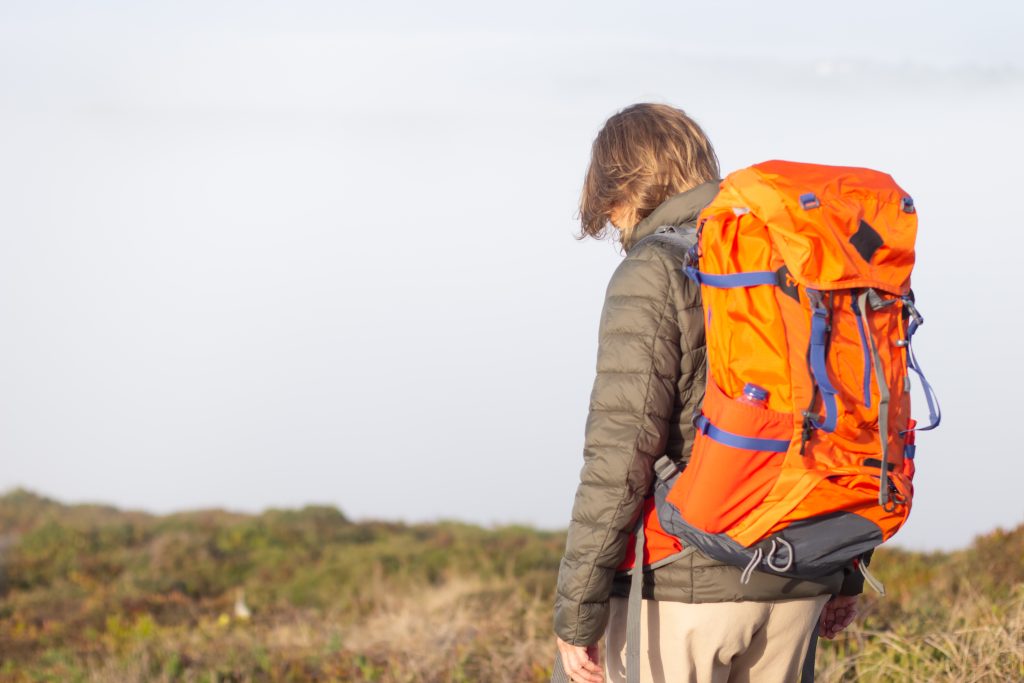
20 to 35 liters. For day hikes where you’re carrying water, food, rain shell, sunscreen, first aid, maybe a camera. Not overnight gear. Just the essentials for a day on trail.
What makes this different from the regular daypack I already talked about? Ventilated back panel, because hiking generates heat and a flat foam panel turns your back into a slip-and-slide of sweat. Hip belt, even a simple webbing one, to take some load off your shoulders. Hydration sleeve inside for a water bladder with a tube port. And tougher materials because trails have rocks and branches and thorns that shred cheap fabric.
If your hike is under 10 miles and your load is under 15 pounds, a hiking daypack is all you need. Anything beyond that and you want something with more structure.
Weekend pack
35 to 50 liters. The 1-to-3-night pack. Now you’re carrying a sleeping bag, tent or shelter, food, stove, clothing layers, and all your day-hike stuff on top of that. We’re talking 25 to 35 pounds typically.
This is where suspension systems stop being a nice-to-have and start being essential. A weekend pack needs an internal frame (aluminum stays or a rigid framesheet), a real padded hip belt that transfers weight to your pelvis, load lifter straps at the top, and a sternum strap to keep everything stable.
REI’s fitting guide is worth reading if you’ve never been fitted for a pack. Here’s the thing that surprises people: torso length matters way more than your overall height. I’m 5’10” and I wear a medium frame. My friend is 6’1″ and also wears a medium because his legs are long but his torso is about the same length as mine. If the hip belt doesn’t sit on your iliac crest (top of your hip bones), the whole system fails and your shoulders carry weight they shouldn’t.
Expedition pack
50 to 80 liters. Sometimes bigger. This is the “I’m disappearing into the wilderness for a week” pack. Or the thru-hiker’s home. Or the mountaineer’s lifeline.
Full internal frame. Beefy hip belt and shoulder harness. Multiple access points because digging through 70 liters of gear from the top opening to find something at the bottom is a special kind of frustration. External attachment points for ice axes, trekking poles, sleeping pads. Compression straps everywhere to cinch the load tight.
A loaded expedition pack can hit 50 or 60 pounds. At that weight, the suspension system isn’t a feature. It’s the only thing between you and a miserable, potentially dangerous experience. Cheap expedition packs with flimsy frames and thin hip belts let the load shift unpredictably. On a steep trail or a scramble, that shifting weight can pull you off balance.
If you’re sourcing these to sell, quality inspection isn’t optional. It’s a safety issue. A stitching failure on a hip belt attachment at elevation isn’t a product return. It’s someone getting hurt.
Ultralight pack
The gram-counter’s dream. Strips away everything non-essential. No frame or just a thin flexible sheet. Fabrics like Dyneema or ultralight nylon that weigh almost nothing. Minimal padding. Roll-top closure instead of zippers. Sometimes no hip belt pockets. Sometimes no hip belt at all.
These packs can weigh under a pound empty. A conventional expedition pack weighs 5 to 7 pounds empty. Over a 20-mile day, that difference in your legs is enormous.
But. And this is a big but. Ultralight packing is a whole system. You can’t just buy an ultralight pack and stuff your regular heavy gear into it. The pack has less structure, less padding, less durability. You need ultralight everything else too. Ultralight tent. Ultralight sleeping bag. Ultralight stove. The pack is the last piece of the puzzle, not the first.
I’ve watched people buy a $300 ultralight pack and then load it with 45 pounds of regular gear. The pack was miserable to carry and the fabric started showing wear after one trip. That’s not the pack’s fault.
Hydration pack
Tiny. 5 to 15 liters. Basically a water bladder with a backpack wrapped around it. Drinking tube comes over your shoulder so you can sip without stopping or using your hands.
Trail runners use these. Mountain bikers. People doing short fast hikes where they need water but not much else. The fit is tight and close to the body so it doesn’t bounce around when you’re moving fast.
Not much else to say about these honestly. They do one thing and they do it well.
Climbing pack
Also called an alpine pack. Tall, narrow, sits tight against your body. 30 to 45 liters usually. The entire design philosophy is “don’t get in the way.”
When you’re on a rock face or a narrow ridge, a wide bulky pack catches wind, snags on rock, throws off your balance, and blocks your upward vision. A climbing pack eliminates all of that. Slim profile. No dangling straps or external pockets sticking out. Ice axe loops and rope carry systems integrated flush.
The tradeoff is access. Most climbing packs are top-loading only. No side pockets. No front panel zip. Getting to something at the bottom means pulling everything above it out first. Climbers accept this because the alternative, a pack that gets them killed on a wall, is worse.
Travel backpack types for airports and hostels and trains
Travel packs exist in this interesting space between backpacks and luggage. They need to carry like a pack but function like a suitcase. That tension drives a lot of the design decisions.
Travel pack
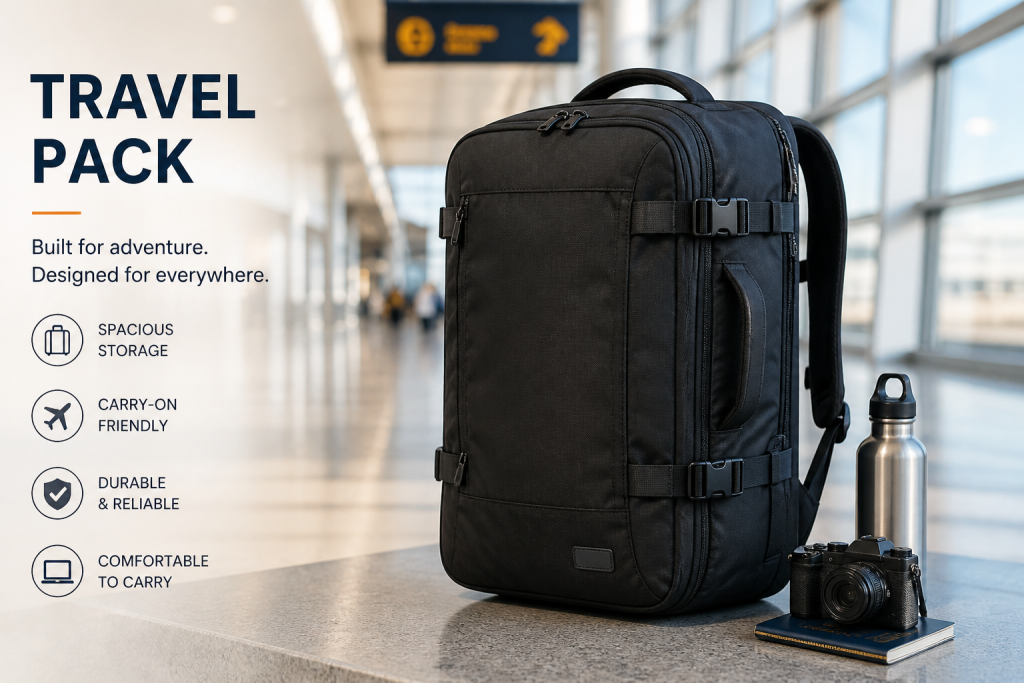
40 to 65 liters. The backpacker’s suitcase. And I mean that literally. These open like a suitcase or duffel, front-loading or clamshell style, instead of top-loading like a hiking pack. You can lay it open on a hostel bed and pack it like luggage.
The harness system is hideaway. Meaning you can zip a panel over the straps and hip belt so the pack looks like a duffel bag when you’re checking it at an airline counter or throwing it in a bus storage compartment. No dangling straps to get caught in conveyor belts.
Inside you get compression straps, packing cube compatibility, maybe a separate dirty clothes compartment or shoe pocket. Outside you get grab handles on top and sides so you can maneuver it like luggage when you’re not wearing it.
Carry-on backpack
Specifically sized to meet airline carry-on limits. Usually 35 to 45 liters, though the exact max varies by airline and good luck getting a consistent answer from any of them.
This is the holy grail for one-bag travelers. Everything for your trip in a single pack that stays with you. No checked bag fees. No baggage claim wait. No “sorry your luggage went to Lisbon while you went to London.”
Making it work requires ruthless packing discipline and a pack that squeezes maximum utility from every allowed inch. Good carry-on packs have multiple access points so you can get to your laptop for security without unpacking everything. Compression systems to keep clothes tight. Thoughtful pocket placement that makes sense when you’re standing in an airport trying to find your boarding pass.
Convertible duffel backpack
A duffel bag that also has backpack straps. Best of both worlds in theory. Wide duffel opening for easy packing. Backpack straps for hands-free carrying.
In practice the straps are usually an afterthought. They’re thinner, less padded, and less ergonomic than straps on a dedicated backpack. Fine for carrying across a parking lot or through an airport. Not something you’d want to wear for hours.
I use one of these for weekend trips. Throw clothes in, zip it up, grab it however is convenient. It’s not a precision instrument. It’s a versatile bag for low-stakes situations. And that’s perfectly fine.
Packing cube backpack
Newer category. Modular system where the backpack is basically a shell and everything goes into individual cubes that slot in. Clothes cube. Toiletry cube. Electronics cube. Documents cube.
Pull out just the cube you need. Rearrange based on what you’re doing. Some systems let you detach a cube and carry it separately as a pouch.
Honestly I think this category is still figuring itself out. Some implementations are great. Some feel gimmicky. The concept is sound though. Organization through modularity instead of fixed pockets.
Anti-theft travel backpack
Hidden zippers that sit against your back where pickpockets can’t reach them. Slash-resistant fabric panels. RFID-blocking pockets. Lockable zipper pulls. Cut-resistant straps.
Do you need all this? Probably not in most situations. Basic awareness handles 95% of theft risk. But if you’re spending three weeks in cities known for pickpockets, or you’re carrying a passport and a bunch of cash and expensive electronics through crowded markets and packed metro cars, the peace of mind is worth something. Even if you never actually encounter a thief, not worrying about it has value.
Military and tactical backpack types built for a different world
Military packs operate under completely different design priorities than anything civilian. Durability that borders on indestructible. Modularity so the pack adapts to different missions. Compatibility with plate carriers, chest rigs, and other military equipment. Quick access to specific gear under stress.
These priorities produce packs that look, feel, and function nothing like what you’d find at REI.
Tactical assault pack
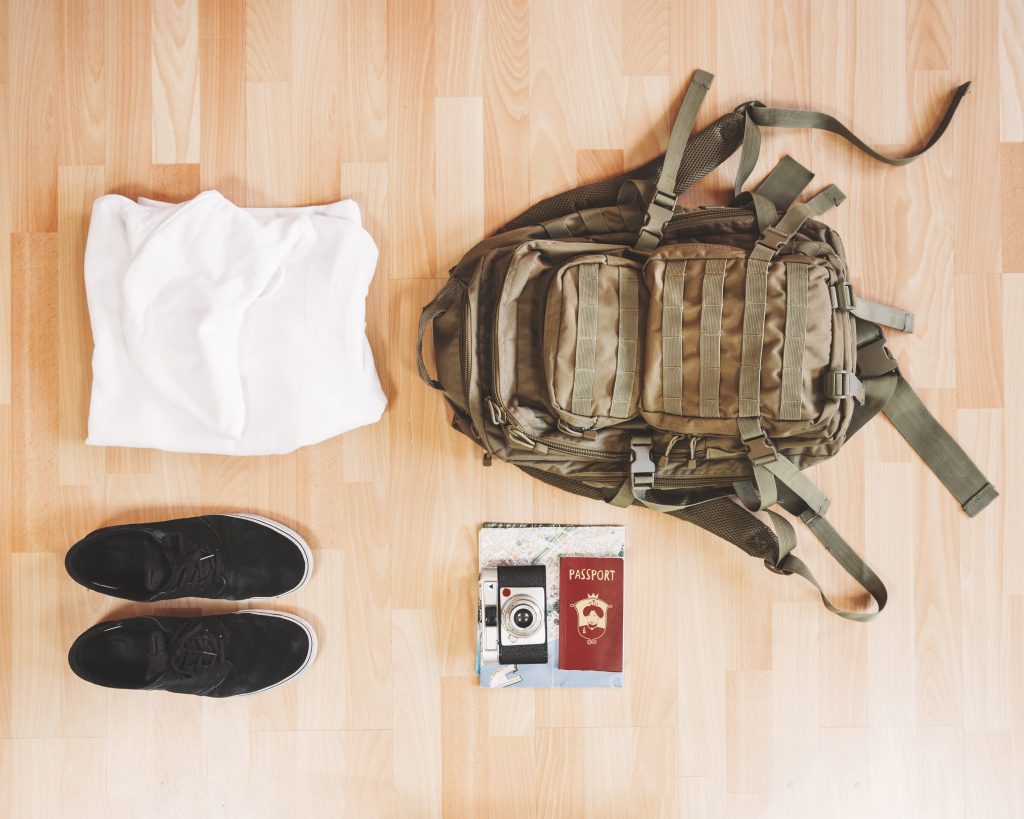
25 to 40 liters. The workhorse tactical pack. Built from heavy Cordura nylon, usually 500D or 1000D. Covered in MOLLE webbing, that grid of nylon straps you see on military gear. MOLLE lets you attach pouches, holsters, tools, and accessories anywhere on the pack exterior. Your loadout is customizable for whatever you’re doing.
These packs are heavy compared to civilian equivalents. The materials are thicker. The hardware is beefier. The padding is functional, not plush. But they survive abuse that would destroy a consumer pack in a week.
Huge civilian market for these too. People buy them for camping, range days, emergency preparedness, everyday carry, or just because they dig the look. If you’re sourcing tactical packs, know your audience. Tactical buyers are picky. They know what real 1000D Cordura feels like versus cheap imitation. They know proper MOLLE spacing (1 inch apart, 1.5 inches between rows). They will call you out in reviews if you cut corners. Loudly.
Military rucksack
The big one. 60 to 100+ liters. Everything a soldier needs for extended operations. Heavy internal or external frame. Massively padded hip belt and shoulder harness rated for 80+ pounds.
These are overbuilt by any civilian standard. An empty military ruck weighs 7 to 10 pounds. That’s more than some fully loaded ultralight setups. But they’re designed to be dragged through mud, thrown off trucks, rained on for days, and generally treated like equipment, not a consumer product.
Not practical for most civilian uses unless you specifically need something that will survive the apocalypse. Some people do specifically need that. No judgment.
Tactical sling bag
Single-strap tactical pack. 10 to 20 liters. MOLLE compatible. Often has a dedicated concealed carry compartment with loop lining for holster attachment.
Military and law enforcement use these operationally. Civilians buy them for range trips, EDC setups, and urban carry. The crossover market is surprisingly large. Something about the combination of tactical durability and sling-bag convenience resonates with a lot of people.
Plate carrier pack
Super niche. This isn’t a standalone backpack. It’s a pack that attaches to a plate carrier vest (body armor), adding cargo capacity to the armor system without requiring separate shoulder straps.
If you’re not in the military, law enforcement, or serious airsoft community, you’ll probably never encounter one. But it’s a distinct backpack type that exists for a reason no other pack addresses. So it makes the list.
Specialty backpack types built for one specific thing
These packs do one thing. They do it really well. They’re mediocre at everything else. And that’s the point.
Camera backpack
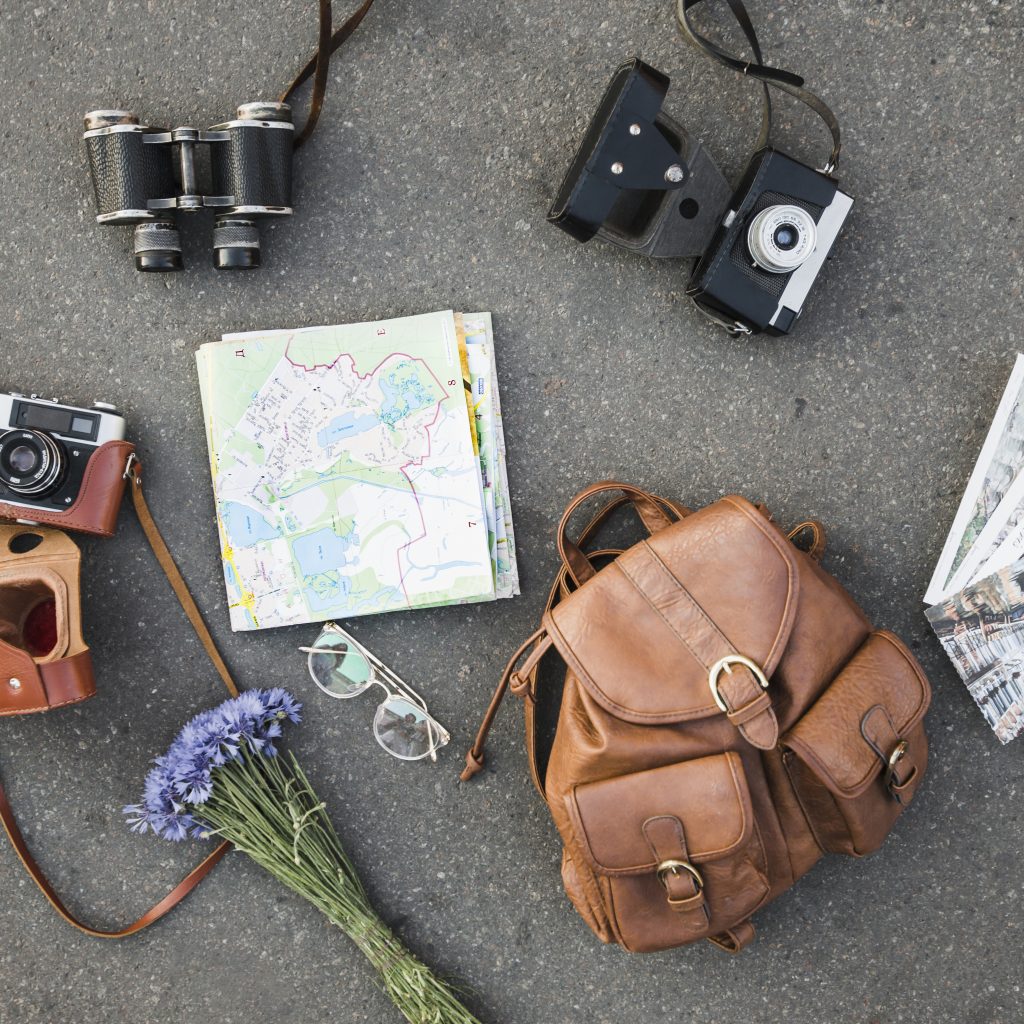
Padded interior with movable dividers. You configure the inside to fit your specific camera kit. Bodies, lenses, flash, batteries, memory cards, all cushioned and separated so nothing bangs into anything else.
The key feature most people don’t think about: side access. A good camera backpack lets you reach in from the side and pull out your camera without taking the pack off or opening the top. For street photography or wildlife shooting where moments are fleeting, that quick access is everything.
For outdoor photographers who hike to their shots, there are hybrid camera-hiking packs with real suspension systems. More expensive. Heavier. But they solve the genuine problem of needing both camera protection and trail comfort over miles of rough terrain.
Cycling backpack
Slim. Narrow. Sits tight between your shoulder blades. Ventilated back panel because cycling generates serious body heat. Reflective elements because cars. Sometimes a built-in rain cover. Helmet clip. Light mount.
The shape is deliberately tall and narrow to stay within your shoulder width. Wide packs catch wind and interfere with arm movement on the handlebars. Hip belts are minimal or absent because they’d press into you in the riding position.
One detail I think is underrated in cycling packs: a rigid back panel. Without one, whatever’s inside the pack presses into your spine through the fabric. When you’re hunched over handlebars, every lump and hard edge in that pack is digging into your back. A rigid panel eliminates that. Small feature. Big comfort difference.
Ski and snowboard backpack
Carries avalanche safety gear (probe, shovel, beacon), water, extra layers, goggles. External carry for skis (A-frame or diagonal) or snowboard (vertical). Helmet attachment. Goggle pocket lined with soft material so it doesn’t scratch your lenses.
The critical design element in backcountry ski packs: dedicated avalanche tool access. Separate compartment. Separate zipper. You need to get the shovel and probe out in seconds during a rescue. Burying them under your lunch and your extra gloves is not acceptable. Good ski packs treat avalanche tool access as the primary design constraint and build everything else around it.
Fishing backpack
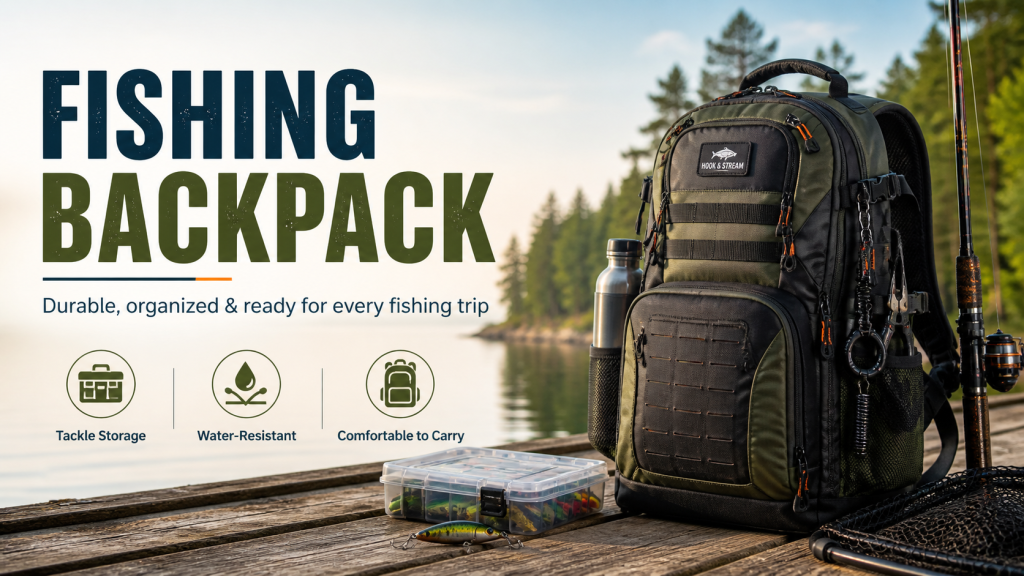
Replaces the tackle box. Multiple clear-front organizer pockets for lures and hooks and terminal tackle. Rod holder attachments on the outside. Waterproof or at least water-resistant base because this thing is going to sit on wet riverbanks and muddy shores. Sometimes has a small cooler compartment.
Growing market, especially with kayak anglers. A hard-sided tackle box in a kayak is awkward. A tackle backpack that you can wear to the launch, set in the kayak, and wear back to the car is way more practical.
Niche product. But niche products with passionate user bases are exactly where small brands can compete without getting crushed by the big guys.
Picking the right type comes down to three questions
After going through all 25 of these, the pattern is pretty clear. Every backpack type exists because someone had a problem and the existing options didn’t solve it well enough. Climbers needed packs that didn’t kill them on walls. Ultralight hikers needed packs that didn’t add unnecessary weight. Tactical users needed packs that survived combat conditions. Photographers needed packs that protected expensive glass while staying comfortable on trails.
Before you buy any backpack, ask yourself:
What am I actually carrying and how much does it weigh? This determines size and whether you need a real suspension system or just basic straps.
Where am I using it? Trails, airports, city streets, and combat zones all demand different things from a pack.
How long am I wearing it? Twenty minutes on a subway is a completely different engineering problem than ten hours on a mountain.
Answer those three honestly and the right backpack type becomes obvious. Most buying mistakes happen because people skip these questions and just buy whatever looks cool or has good reviews without thinking about whether it’s the right type for their use.
Quick note for people who want to sell backpacks
Different game entirely. If you’re looking to source backpacks from Chinese factories and build a brand, everything above is market education. But execution requires more.
Pick a category. Don’t try to make a backpack for everyone. The brands that win pick a specific user with a specific need and serve them better than the generic options.
Materials are where you differentiate. The difference between cheap polyester and quality Cordura is obvious the second someone touches both. YKK zippers versus generic Chinese zippers is the difference between a pack that lasts years and one that fails in months. Foam density in the padding. Webbing width and material. Bar-tack reinforcement at stress points. These details matter and your customers notice them even if they can’t articulate exactly what feels different.
Write a real product spec sheet. Fabric type and denier. Zipper brand and tooth size. Stitch type at every stress point. Hardware material and finish. Foam density in every padded area. Don’t leave any of this to the factory’s discretion because they’ll choose whatever’s cheapest.
Get inspection on every production run. Backpack defects hide. A weak stitch inside a strap attachment looks fine until someone loads the pack and the strap rips free. A zipper that works empty might jam under tension when the pack is full. Inspection catches these before they become returns and one-star reviews.
And honestly, working with a sourcing agent who knows the bag industry saves you from expensive mistakes. Bag factories in China range from world-class to terrible. The good ones aren’t always obvious from a website or an email exchange. Someone who’s walked the factory floors knows which ones actually build quality packs and which ones just talk about it.
These 25 backpack types aren’t going anywhere
People need to carry stuff. That’s not changing. What has changed is that the market has splintered into specialized categories because users got smarter and less willing to compromise. A hiker in 2025 knows they need a different pack than a commuter. A photographer knows they need something different from a student. A tactical user knows they need something different from everyone.
Whether you’re buying a pack for yourself or sourcing backpack types to build a product line, understanding why each type exists is where smart decisions start. The type determines the engineering. The engineering determines the experience. Get the type right and everything else follows.
Get it wrong and you end up like Marcus. Four miles into a hike, carrying your backpack in your arms, wondering where it all went sideways.
Want to source backpacks from China? The team at eSourcingSolution.com works with verified bag factories across Guangdong and Fujian. Daypacks, hiking packs, tactical gear, travel bags, whatever category you’re targeting. We handle supplier vetting, sample development, quality inspection, and logistics. Tell us what you’re building.