
Baking tools and equipment are explained in this blog. So here’s what happened. A client came to me last year wanting to source 14 different baking tools from factories in Guangdong. Sounds straightforward, right? It wasn’t. The guy couldn’t tell me the difference between a bench scraper and a pastry blender. He kept calling the offset spatula “that flat knife thing.” Three weeks of back-and-forth with suppliers because nobody was speaking the same language about the same products.
That’s when I realized something. Most baking tools guides online are written for home bakers who just want to know what a whisk does. But if you’re an Amazon seller trying to build a product listing? A retailer placing wholesale orders? A procurement manager writing purchase specs? You need way more than a cute picture and a one-sentence definition.
You need materials. Grades. Sizes. Sourcing context. The stuff that actually helps you buy 5,000 units without getting burned.
That’s what this guide is.
Table of Contents
- Preparatory Baking Tools and Large Equipment
- Measuring Tools Used in Baking
- Mixing Tools and Equipment
- Cutting Tools for Baking
- Baking Pans and Molds — Types and Functions
- Cake Decorating Tools and Accessories
- Sourcing Tips for Buying Baking Tools in Bulk
- Writing a Product Spec Sheet for Baking Equipment
1. Preparatory Baking Tools and Equipment for Getting Started
Before anything goes into an oven, these are the tools that get pulled out first. If you’re sourcing them for resale, pay close attention to material composition and unit weight. Both directly hit your shipping costs and your profit margins.
Flour Sifter
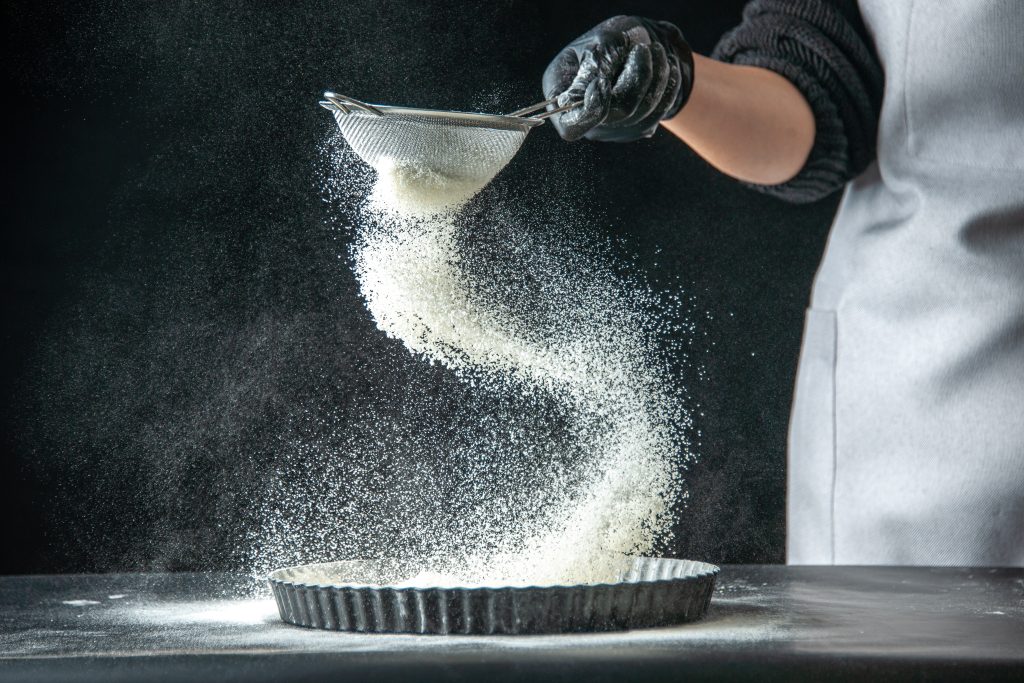
Breaks up clumps in flour, cocoa powder, powdered sugar. The standard version is a stainless steel canister with mesh screens inside and a rotary crank on the side. Here’s what matters if you’re buying wholesale look for 18/8 stainless steel and mesh counts between 20 and 30. The cheap ones use thin gauge metal that dents the second someone drops them. And they will get dropped during shipping. Trust me on that.
Rolling Pin
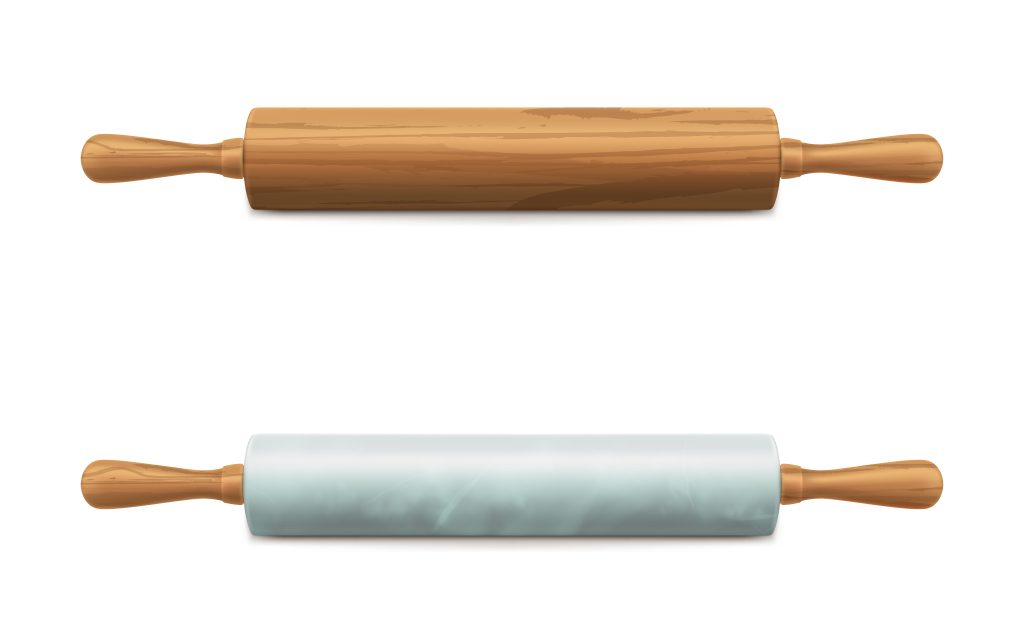
Flattens dough to even thickness. Two main styles exist. French style is just a tapered rod with no handles. American style has handles on bearings that spin. Materials include hardwood, marble, stainless steel, and silicone. Quick tip for Amazon sellers — marble rolling pins photograph beautifully and command higher prices. But they’re heavy. Shipping eats your margin unless you price accordingly. Wood still outsells everything else by pure volume.
Pastry Brush
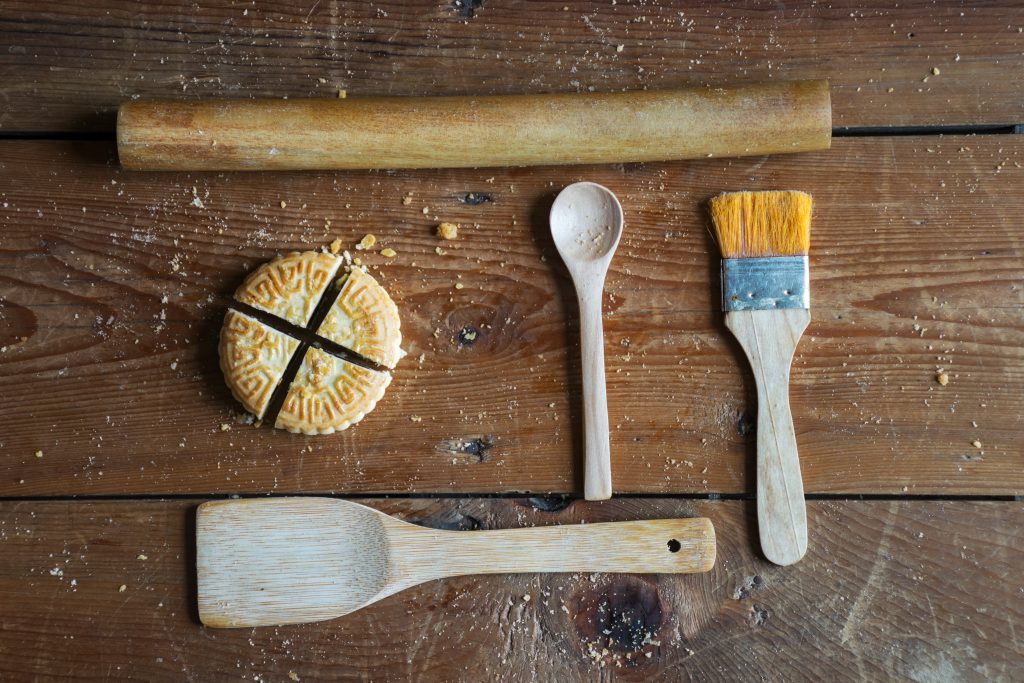
Spreads butter, egg wash, oil, or glazes onto food. Almost everyone has switched to silicone bristles now. They don’t shed, they clean easy, they handle heat without melting. Natural bristle brushes still exist but honestly? They’re dying out. If you’re building a baking kit for retail, go silicone. Don’t overthink it.
Cooling Rack
Metal wire grid. Lets air circulate around baked goods so the bottom doesn’t get soggy from trapped steam. Standard sizes run 16×10 and 12×17 inches. Chrome-plated steel is cheaper. Stainless steel costs more but won’t rust — and rust is the number one reason people leave bad reviews on cooling racks. I’ve seen it tank listings.
Egg Separator

Holds the yolk while whites drain through slots. Simple concept, lots of design variations. The newer silicone squeeze-type separators are clever — they suck the yolk right out of a cracked egg. These make killer add-on items for Amazon bundles. Lightweight, cheap to produce, and they look fun in photos.
Pastry Mat
Non-stick surface for kneading and rolling. Most have measurement markings printed or embossed on them. Silicone dominates this category now. They roll up for storage, clean in seconds, and outlast marble or granite boards by years. Standard size is 24×16 inches for home use.
Baking Paper and Liners
Parchment paper, silicone mats, wax paper, aluminum foil — all prevent food from sticking to pans. Parchment paper is the highest-volume consumable in all of baking. If you want recurring revenue? Pre-cut parchment sheets sell consistently twelve months a year. No seasonal dips.
Cake Tester
Thin metal needle. Poke it into a cake. If it comes out clean, cake’s done. Dead simple product. Low cost, high margin. Works great as a bundle filler or upsell item in baking tool kits.
Oven Mitts
Protect hands from hot surfaces. Materials include silicone, aramid fiber, cotton with silicone grip, and leather. The current bestseller formula on Amazon? Silicone exterior with internal cotton lining. Waterproof, heat-resistant to 500°F, and they look good in listing photos. That combination just works.
Baking Oven
The big one. Gas or electric, countertop or full-size. For ecommerce sellers, countertop convection ovens are your entry point. Full-size ovens move through B2B channels and commercial equipment distributors. Different game entirely.
Dough Proofing Box
Most guides completely skip this one. A proofing box maintains consistent temperature and humidity so yeast dough rises properly. Commercial bakeries use them every single day. For home bakers, collapsible proofing boxes with adjustable temperature are gaining real traction on Amazon. Low competition. Growing search volume. Worth looking into if you want a product with room to grow.
2. Measuring Baking Tools and Equipment Every Baker Needs
Baking is basically chemistry. Get your measurements wrong and the whole thing falls apart. These tools keep things precise, and from a selling perspective, they’re some of the easiest items to source. Small, lightweight, cheap to ship.
Dry Measuring Cups
Measure flour, sugar, spices by volume. Standard sets have ¼ cup, ⅓ cup, ½ cup, and 1 cup. Materials range from plastic to stainless steel to copper-plated. Here’s a detail that separates good products from bad ones — engraved measurements versus printed. Printed markings fade after a few washes. Engraved lasts forever. Guess which one gets better reviews?
Liquid Measuring Cups
Clear glass or plastic with measurement lines on the side. Borosilicate glass (Pyrex-style) is the gold standard. Transparency lets bakers check volume at eye level. Standard sizes are 1-cup, 2-cup, and 4-cup. Glass feels premium. Plastic is lighter and cheaper to ship. Pick your lane based on your target customer.
Measuring Spoons
Small quantities, liquid or dry. Sets usually include ¼ teaspoon through 1 tablespoon. Premium sets add ⅛ teaspoon and ½ tablespoon. The trend right now? Magnetic nesting sets. They snap together for drawer storage. People love them. They photograph well too.
Digital Kitchen Scale
Weight measurement beats volume measurement for accuracy every time. Professional bakers know this. Look for 0.1g precision, tare function, and at least 5kg capacity. The price gap between a terrible scale and a good one is maybe two dollars at factory cost. But the review gap? Massive. Don’t cheap out here.
Kitchen Timer
Digital countdown with a loud alarm. Dual-timer models that track two items at once sell better than single timers. Magnetic backing for fridge mounting is basically expected now. If yours doesn’t have it, people notice.
Oven Thermometer
Measures actual oven temperature versus what the dial says. And let me tell you — most ovens are off by 25 to 50 degrees. Once someone discovers that, they never bake without a thermometer again. Stainless steel, clear dial face, range from 100°F to 600°F minimum. Underrated product category with loyal repeat buyers.
3. Mixing Baking Tools and Equipment for Dough and Batter
This is where ingredients become something. Batter, dough, cream, meringue. The tools range from a two-dollar wooden spoon to a four-hundred-dollar stand mixer. Lots of room to play depending on your price point strategy.
Mixing Spoons
Wood, metal, or silicone. Wooden spoons don’t conduct heat and won’t scratch non-stick coatings. Silicone handles high temperatures. For product bundles, a matched set of three sizes in the same color silicone covers most needs and looks cohesive in photos.
Mixing Bowls
Stainless steel, glass, ceramic, plastic. Nesting sets save space and ship efficiently because they stack. The current sweet spot? Stainless steel bowls with silicone bases that grip the counter. Good price point, good perceived value. Standard sets run 3 to 5 bowls from 1.5 to 5 quarts.
Wire Whisks
Blend ingredients and incorporate air. Balloon whisk handles general tasks. French whisk works for sauces. Flat whisk is for pan work. Spring whisk mixes quickly. Stainless steel wire with comfortable handles. If you’re only stocking one type, balloon whisk is the universal choice.
Electric Hand Mixer
Automates beating, whisking, light kneading. Usually 5 to 9 speed settings with beater and dough hook attachments. Power ranges from 200W to 400W for home use. Competition on Amazon is fierce in this category. You differentiate through included accessories, ergonomic design, and color options. Not through price — that’s a race to the bottom.
Stand Mixer
The serious baker’s workhorse. Bowl capacities from 4.5 to 7 quarts. Planetary mixing action, multiple speeds, tons of attachment options. Higher price point but strong margins. When sourcing these from manufacturers, MOQs tend to be lower because each unit is worth more. That helps if you’re testing a new market.
Silicone Spatula
Flexible, flat, perfect for scraping bowls clean and folding delicate batters. Heat-resistant up to 480°F with sturdy internal cores. One-piece construction matters; two-piece spatulas trap bacteria at the joint and people complain about it in reviews. These are high-volume, low-cost items ideal for bulk product sourcing from China.
4. Cutting Tools for Baking
Box Grater
Four-sided stainless steel. Shreds cheese, zests citrus, grates chocolate and cold butter. Look for etched holes rather than punched ones. Etched graters are sharper out of the box and stay sharp longer. Non-slip base and comfortable handle are table stakes now.
Cookie Cutters
Sharp-edged molds for cutting dough into shapes. Seasonal sets drive predictable sales spikes during Christmas, Halloween, Easter, Valentine’s Day. Stainless steel holds shape better than plastic over hundreds of uses. Custom shapes are possible with relatively low tooling costs if you’re working with the right factory. Something to think about if you want exclusive designs that competitors can’t copy.
Bench Scraper / Dough Cutter
Flat stainless steel blade with a handle. Portions dough, scrapes work surfaces clean, transfers chopped ingredients. Simple product, consistent demand, easy to source. Works great as part of a bundled baking kit when you’re developing product ideas for your store.
Pastry Cutting Wheel
Sharp rotating wheel on a handle for cutting dough, pasta, and pastry edges. Some have dual wheels, straight and fluted, for decorative work. Low unit cost. Good bundle addition. Not a standalone hero product but a solid supporting player.
Pastry Blender
Cuts cold butter into flour for pie crusts and biscuits. Wire loop design with a curved handle. Not a high-volume standalone seller, but absolutely essential in any complete baking tool set. Skip it and your kit feels incomplete.
Chef’s Knife
General purpose cutting for nuts, fruits, chocolate. 8-inch blade is standard for kitchens. But honestly? For baking-specific kits, a 6-inch utility knife makes more practical sense. Most baking cutting tasks are smaller and more precise than general cooking.
Dough Docker
A spiked roller that pokes holes in dough to prevent air bubbles during baking. Pizza dough, crackers, flatbreads — all need docking. Most guides ignore this tool completely. Low competition on Amazon. Steady search volume. If you’re looking for gaps in the market, this is one.
5. Baking Pans and Molds — Types and Functions
The pan determines the shape, the browning, the texture. Material and coating choices affect how food bakes and how long the pan lasts. For sellers and procurement buyers, understanding these differences means stocking the right products and writing listings that actually convert.
Muffin Pan
Multiple cup molds for muffins and cupcakes. Standard is 12 cups at 2.5 inches diameter. Mini pans have 24 cups. Jumbo pans have 6. Carbon steel with non-stick coating is the default. But silicone muffin pans are growing fast because they release without greasing and clean up in seconds. Watch this category.
Loaf Pan
Rectangular pan for bread, pound cake, meatloaf. Standard sizes are 9×5 or 8.5×4.5 inches. Aluminized steel and glass are most common. Some designs include a sliding lid for pullman bread. Steady seller with zero seasonal variation. Boring? Maybe. Reliable? Absolutely.
Round Cake Pan
The default for layer cakes. 6-inch, 8-inch, and 9-inch diameters are standard. Depth ranges from 1.5 to 3 inches. Removable bottom designs make cake release much easier. Anodized aluminum distributes heat most evenly — that’s why professional bakers prefer it over everything else.
Sheet Pan / Baking Sheet
Flat rectangular pan with low raised edges. Half-sheet size (18×13 inches) is the home standard. Quarter-sheet works for smaller ovens. Heavy-gauge aluminum with rolled edges resists warping under heat. These are commodity items. You differentiate through thickness, coating quality, and bundling with silicone mats or parchment paper.
Bundt Pan / Tube Pan
Round pans with a hollow center tube. The tube lets heat reach the middle of thick batters for even baking. Bundt pans have decorative fluted sides. Tube pans have smooth sides with removable bottoms. Cast aluminum reproduces detailed patterns best and distributes heat evenly.
Springform Pan
Round pan with a removable bottom and expandable side held by a clamp. Cheesecakes, tortes, delicate cakes that can’t be flipped. Sizes from 4 to 12 inches. The number one complaint in reviews for cheap springform pans? Leaking. A tight seal is everything. Don’t source the cheapest option here.
Hold Pan
Shallow with fluted edges and removable bottom. Round and rectangular shapes available. 9-inch and 11-inch round are standard. Non-stick coating is critical because tart dough is fragile and tears easily during removal. Sets of multiple sizes sell well together.
6. Cake Decorating Tools and Accessories
Decorating is where baking becomes art. And art commands premium prices. These tools have excellent margins because buyers associate them with creativity and skill. Strong gift-giving potential too, especially in Q4.
Cake Turntable
Rotating platform for even cake decorating. Cast iron or aluminum base with smooth ball-bearing rotation. Professional versions tilt and lock at angles. Budget versions use plastic with a basic pivot. The quality difference is immediately obvious the moment someone uses it — which drives upgrades and repeat purchases.
Piping Bags
Cone-shaped bags for squeezing frosting and decorative elements. Disposable plastic bags dominate because convenience wins. Reusable silicone bags appeal to the eco-conscious crowd. Standard sizes are 10, 12, and 16 inches. Consumable item with recurring purchase potential. That’s the dream for any ecommerce seller.
Decorating Tips / Nozzles
Metal tips that attach to piping bags for different patterns. Sets range from 12 pieces to over 100. Stainless steel is standard. Numbered sizing systems help bakers identify specific designs. Large sets with organized storage cases make excellent gifts and photograph beautifully for listings.
Cake Smoother / Scraper
Flat tools for creating smooth frosted surfaces. Acrylic, stainless steel, or plastic. Some have adjustable edges. A bench scraper can double as a cake smoother — worth mentioning in your product descriptions if you sell both.
Offset Spatula
Narrow angled blade for spreading frosting. The offset keeps your knuckles away from the cake surface. Small (4-inch) and large (8-inch) sizes cover most needs. Stainless steel blade, comfortable handle. Every decorator needs at least two.
Cake Leveler
Cuts domed cake tops flat for even stacking. Wire-style levelers adjust to different heights. Some use serrated blades instead. Simple construction, low cost, solves a real frustration that every home baker deals with. The kind of product people don’t know they need until they use one.
Fondant Tools
Smoothers, rollers, cutters, modeling tools for fondant work. Sets of 10 to 20 pieces cover most decorating needs. Plastic construction keeps costs low. These sell much better as complete sets than individual pieces. Nobody wants to buy fondant tools one at a time.
Cake Boards and Drums
Thick cardboard or MDF boards supporting finished cakes. Round, square, rectangular in various sizes. Foil-covered or food-safe coated. Sold in multi-packs. Here’s why sellers love these: they’re flat and lightweight. Shipping costs are minimal. That matters when you’re managing packaging and logistics across your entire catalog.
7. Sourcing Tips for Buying Baking Tools in Bulk
Alright. This is the section that makes this guide actually different from every other baking tools list on the internet. Because knowing what a pastry brush looks like doesn’t help you buy 10,000 of them from a factory in Zhejiang without getting screwed.
Get your product spec sheet right before you contact anyone. Document everything materials, dimensions, weight, color, packaging, certifications, target price. A detailed spec prevents miscommunication and wasted sample rounds. I’ve watched people burn three months going back and forth with suppliers because they couldn’t clearly describe what they wanted. Don’t be that person. If you need help building one, this product spec sheet guide breaks down the whole process.
Know your material grades. “Stainless steel” means nothing by itself. 430 grade is magnetic and cheaper. 304 (18/8) is higher quality and resists corrosion. 18/10 is premium. The grade affects your cost, your product’s durability, and whether it passes import regulations in your target market. Same story with silicone — food-grade must meet FDA 21 CFR 177.2600 standards. If your supplier can’t provide compliance certificates, walk away.
Build quality control into your process from day one. Baking tools seem simple. They’re not. Rolling pins with uneven surfaces. Non-stick coatings that flake after three uses. Cookie cutters with metal burrs that cut fingers instead of dough. I’ve seen all of it. Pre-shipment inspection catches these problems before they become one-star reviews and return requests. A proper quality control system pays for itself many times over.
Pick your sourcing model carefully. Trading companies, direct factory, or sourcing agent? Each path has different tradeoffs in pricing, communication, MOQs, and oversight. For baking tools specifically, Guangdong and Zhejiang provinces have the densest concentration of manufacturers. If you’re curious about what a China sourcing agent actually costs and whether it makes sense for your volume, that breakdown gives you real numbers to work with.
Negotiate with information, not just enthusiasm. Suppliers respect buyers who understand market pricing, raw material costs, and realistic production timelines. Show up with comparable quotes from other factories. State your volume commitments clearly. Smart supplier negotiation typically reduces unit costs by 8 to 15 percent without touching quality. That’s real money on a 5,000-unit order.
8. Writing a Product Spec Sheet for Baking Equipment
This section alone makes this guide more practical than anything else ranking for this topic right now. Because the gap between “I know what baking tools are” and “I can successfully order them from a manufacturer” is enormous. The spec sheet bridges that gap.
For any baking tool you’re sourcing, your spec sheet needs to cover: product name with reference images from multiple angles, exact dimensions with acceptable tolerances, material specifications including grade and surface finish, color requirements with Pantone codes when color matters, unit weight and carton weight, packaging type (polybag, color box, blister pack, bulk), required certifications for your target market (FDA for US, LFGB for Germany, EU 1935/2004 for Europe), target FOB price range, minimum order quantity expectations, and any labeling or branding requirements.
Getting this document right the first time eliminates weeks of back-and-forth. It also protects your margins because you’re comparing identical specifications when evaluating quotes from different suppliers. Apples to apples instead of guessing.
Look, if building spec sheets and managing factory communication sounds like more than you want to handle yourself, that’s completely fair. It’s detailed work. That’s exactly what procurement outsourcing exists for. You focus on selling and growing your business. Someone else handles the supplier communication, sampling, quality checks, and shipping logistics.
What Comes Next
You’ve got a reference list that goes deeper than names and pictures. Materials, grades, sizes, sourcing context, spec sheet guidance, the stuff that actually moves you from browsing to buying.
The baking tools market isn’t slowing down. Home baking surged in 2020 and it stuck. Amazon search volume for baking keywords stays strong year-round with predictable Q4 spikes. The opportunity is real whether you’re entering this niche fresh or expanding what you already sell.
But here’s the thing. Opportunity without execution is just a nice thought. The sellers winning in this category source quality products at competitive prices, build listings with accurate specifications, and maintain inventory through reliable supply chains. That’s the whole formula. Simple to say, harder to do.
If you’re ready to move from research to action, sourcing a single product or building an entire baking tools line, send us your requirements or book a quick call to talk through what you need. No pressure. Just a conversation about what you’re building and whether we can help you get there faster.